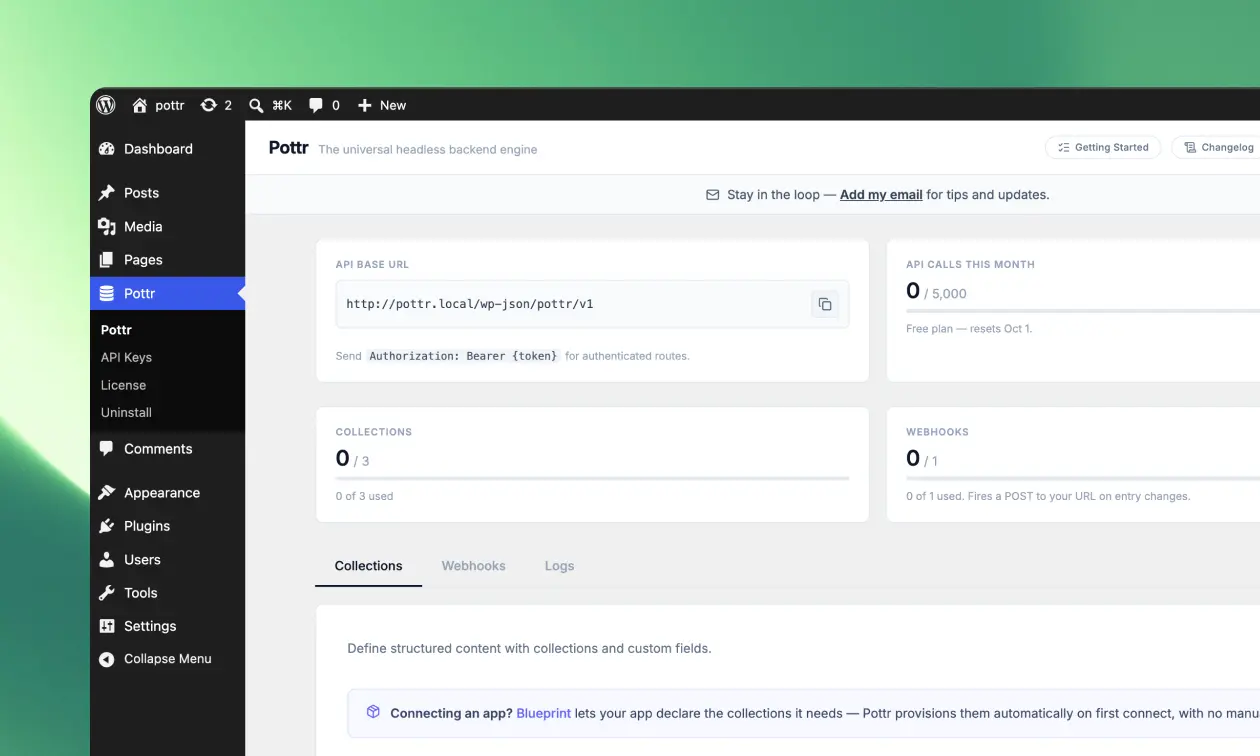
A WordPress plugin that turns WordPress into the backend for web applications.
Product direction · AI-assisted development
[ No-code website builder · Personal project · In development ]
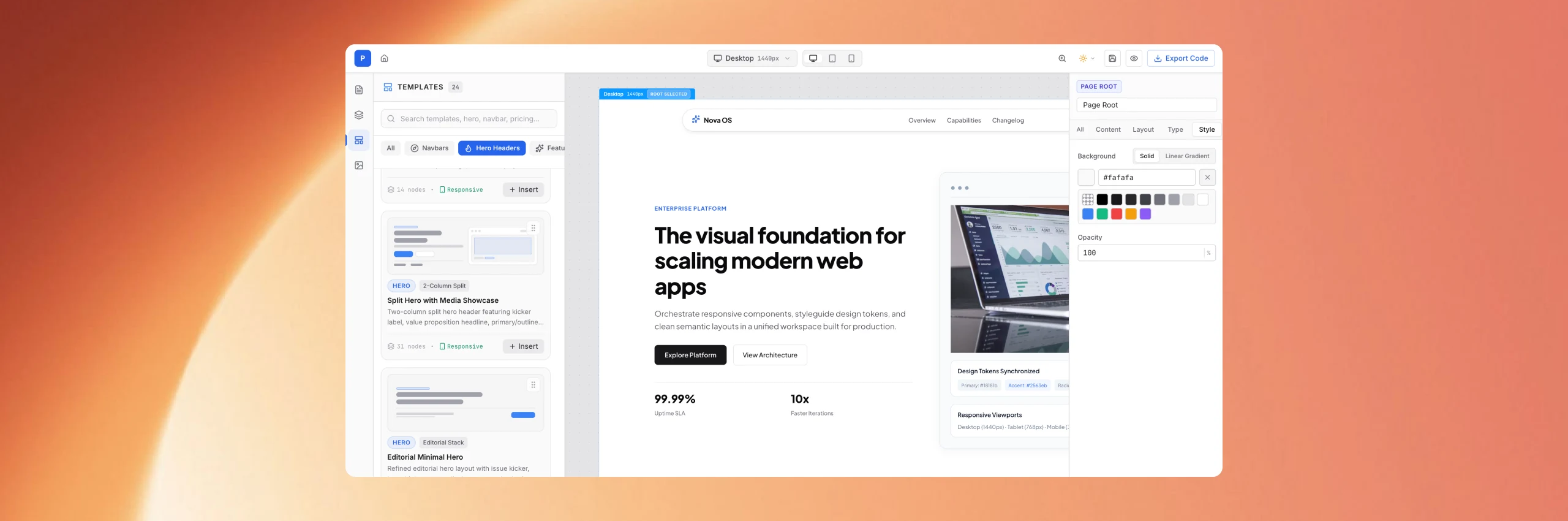
Product direction, product thinking, UX and UI design, visual editor, interaction systems, responsive behavior, styling controls, application shell, project workflows, AI and MCP capabilities, design-system foundations, and AI-assisted implementation.
Philosophr is a visual website builder that lets people create and refine web pages through a canvas-based editing experience, with AI-assisted workflows becoming an important part of the product.
The project explores how visual design, AI assistance, and working implementation can come together to help people move from an idea to a functioning, visually structured website without having to manage every implementation detail themselves.
The goal was to explore how website creation could become more visual, direct, and expressive by bringing design, AI assistance, and implementation closer together.
Philosophr brought together visual design, AI-assisted development, and a working website builder. The challenge was not only to make the editor look right, but to make its behavior understandable, consistent, and controllable as users moved between the canvas, inspector, layers, and AI-assisted workflows.
Philosophr was designed and built as one continuous product process. I shaped the product direction, designed the visual editor and its interaction systems, made decisions about how the builder should work, and used AI-assisted development to implement and refine the product. The work involved moving between product reasoning, UX, UI, implementation, and testing rather than treating them as separate stages.
Building Philosophr reinforced that a visual editor is defined by its edge cases. Selection, snapping, responsive behavior, containment, and state synchronization are not secondary details. They are central to whether the product feels understandable and reliable. It also showed me how closely design and implementation are connected in complex tools, where a small UX expectation can require changes across the underlying system.
A few things shaped through design, experimentation, and the process of making them real.
A WordPress plugin that turns WordPress into the backend for web applications.
Product direction · AI-assisted development
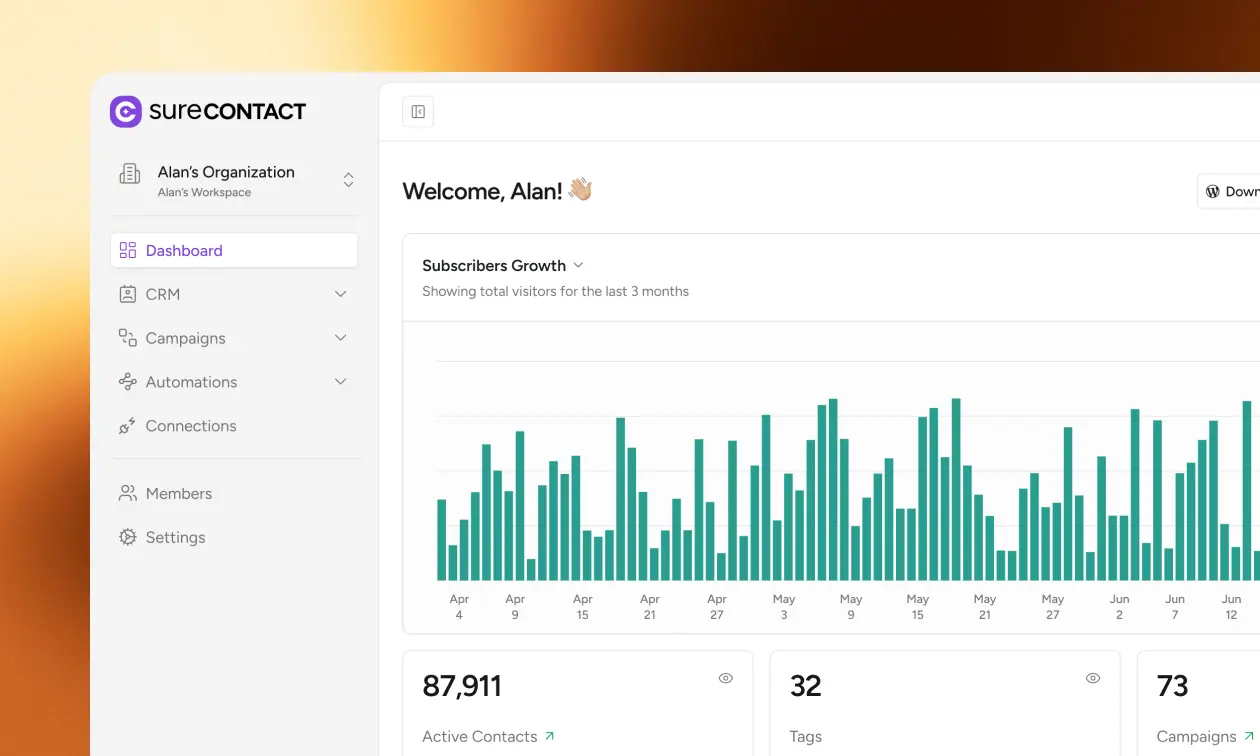
An email marketing platform and lightweight CRM designed around simplicity, speed, and usability.
Product designer · AI-assisted implementation